THE BIRTH


The better prepared you are, the easier you will find the birth

cropped-AMANI-Birth-logo-circle-blue-png

You can talk to other men who have been through it, watch videos, read a lot and attend antenatal classes with your partner. It’s a good idea to discuss the birth plan together so you understand what she wants – although remember that this needs to be flexible

You can prepare by making a plan for when she goes into labour and researching the best way to get to the hospital. When the time is near, make sure you pack everything you need as the labour can last a long time

During the birth, your role as a birth support partner is to give emotional and physical support and encouragement. You can help your partner by reminding her to breathe slowly, massaging her, and helping her to get more comfortable. Don’t be surprised if she changes her mind a lot!

You may need to deal with the midwives and doctors on your partner’s behalf. Try to keep calm and breathe deeply and steadily if it all becomes overwhelming. If you feel faint, put your head between your knees and breathe slowly

You may be asked to cut the umbilical cord when the baby is born. You can bond with your baby straight away by giving them a cuddle next to your skin


Supporting your partner during pregnancy – pregnancy birth & baby


SUPPORTING YOUR PARTNER DURING PREGNANCY

kelly-sikkema-325963-1080x675

Early pregnancy

Many men are shocked at first –  for dads, finding that you’re going to be a father can be a wonderful experience – but for some men it’s terrifying 

It’s usually best not to announce the pregnancy to other people until the end of the first trimester. You can use the time to get used to the idea of being a dad and thinking about how you will manage the changes a new baby will bring

It’s a good idea to be as involved as you can throughout the pregnancy- for example by going to doctor’s appointments with your partner or looking at baby equipment together. Talking about your feelings will help you both deal with the emotions a pregnancy can bring

Your partner may experience symptoms like mood swings and morning sickness. Try not to take it personally. You can help her by encouraging her to eat small amounts often. If she is vomiting very often or you are worried about her, contact your doctor

for more early Pregnancy Symptoms

It’s normally fine to have sex during pregnancy, as long as both you and your partner feel like it. It might feel different, but it won’t harm the baby. If your partner is bleeding or there are other problems, you might be advised not to have sex. You can support her by being patient and finding other ways to be intimate, such as kissing, cuddling and massage

The second trimester 

As the pregnancy progresses, the morning sickness should ease and the pregnancy will become more obvious

The second trimester is the time to start thinking seriously about finances, your relationship, wills and life insurance. Communicating openly and honestly with your partner will help create the positive relationship you will need as parents

You can support your partner at this time by helping her to have a healthy pregnancy, including by eating healthily, doing physical activity, cutting back on alcohol and quitting smoking

Your partner’s mood changes will probably settle now. If you notice either you or your partner are feeling very stressed or emotional for more than 2 weeks, and it’s getting in the way of your day to day life, it is a good idea to speak to your doctor or midwife

The third trimester

Is often when pregnancy gets real for fathers and partners. Your partner will start going for a lot more check-ups. If you can go with her, you will be able to hear your baby’s heart beat and understand more about what’s going to happen during the birth. You can also attend antenatal classes, do a tour of where the baby will be born, and organise for time off work

Late pregnancy can be very uncomfortable for you partner. She may wake up often during the night, need to go to the toilet more, and find sex uncomfortable. You can help her by massaging her, helping her to get comfortable, and being patient when she starts cleaning the house ready for the new baby.

Your baby will be able to hear by now, so you can talk or sing to them. This will help you bond with the baby even before they are born.

Your feelings during the pregnancy

Some partners feel as though they have been left out during the pregnancy. She may be absorbed in the pregnancy, and all the attention is on her

Talking openly and honestly with your partner, family or friends can make a big difference. Speak up if you’re feeling upset, before the feelings build up


Supporting your partner during pregnancy – pregnancy birth & baby


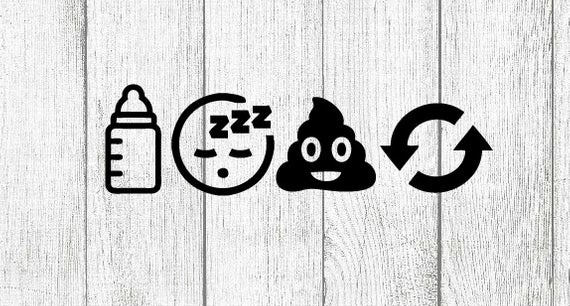
EAT, SHIT & SLEEP

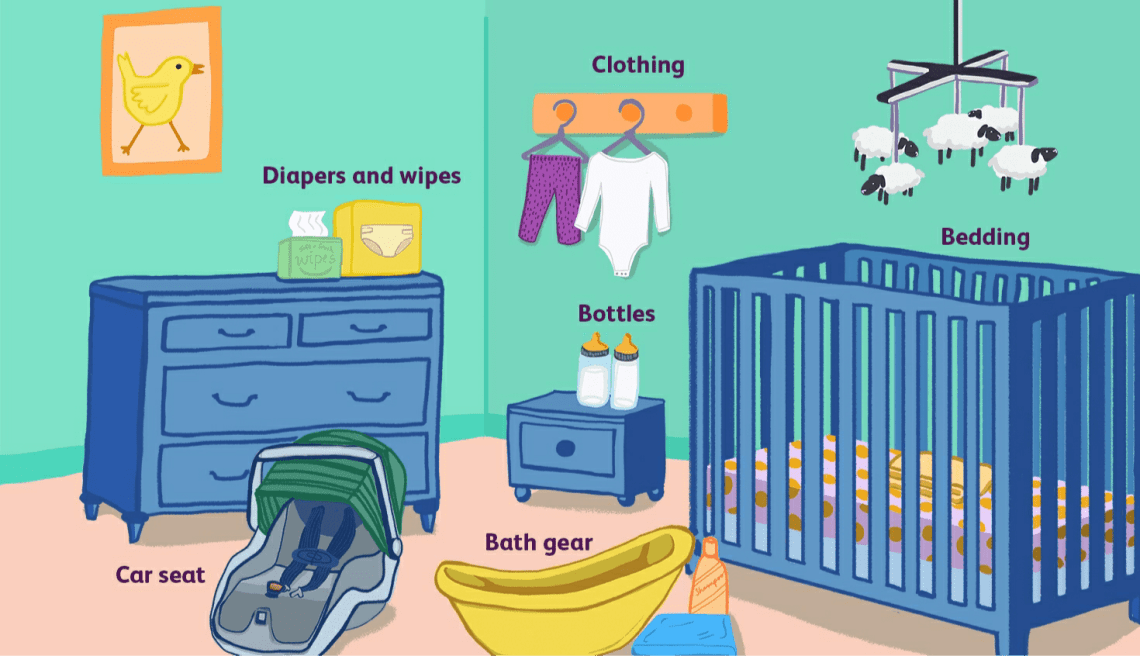
Going shopping for baby gear?

Buy smart


When you’re waiting for the baby, an important part is to prepare the equipment & producys he needs, if you search google then you probably know that you’ll finf lots of results and will be lost without know what really matters

Try to remember that baby’s need is
EAT, SHIT & SLEEP 😉

Listen, I’ll tell you here what you really need so you don’t buy things that will eventually just take up space in your apartment


EAT
SHIT-
SLEEP-
  • Crib
  • Crib mattress
  • Waterproof mattress
  • Blanket
  • Baby monitor
EXRAs
  • Stroller, Car seat
  • Pacifiers
  • Clothing
  • Bath- Baby shampoo, Hooded towels
  • Thermometer
  • Safety- Corner guards, Outlet covers, Drawer locks

HOW TO DECIDE TO HAVE OR NOT TO HAVE A BABY


Many FATHERs find having children a deeply rewarding life experience, and many are also quick to recognize that fatherhood comes with both joy and hardship. Deciding whether you want and are ready to have a baby is a major life choice. There is no right or wrong answer, and there is no obligation to start having children or time limit on making a family planning decision. Thinking about your motivations, your lifestyle, and your relationship with your partner can provide you with some of the information you need to make the right decision for you and your family.

cosleeping2


PART 1: Examining Your Motivations

Consider the commitment:

Many biological and cultural factors may contribute to the desire to have a child. However, rather than bending to immediate pressure, take time to decide whether you have the capacity to care for a child in your home for the next eighteen years, as well as helping to support it throughout your life. Understand that having a baby is not simply a time commitment. Raising a child is currently estimated to cost a quarter of a million dollars before college.

Know that a child is a mental investment, as well. Studies report that new fathers experience a loss of happiness that is on par with divorce and unemployment. While happiness does eventually pick up again, consider your own mental health and whether you are presently in a place to handle that level of extended mental hardship.

Evaluate current life events:

Some people may become motivated to have children after major life events or even during crises. Look at what else has happened or is currently happening in your life to see if it may be giving you temporary motivation. Some couples are led to believe that having a child may save a hurting relationship. While there is no guarantee either way, the pressure of raising children often hurts damaged relationships more than it helps.

Some couples feel that having children is simply the next step after marriage. There is no inherently right time to start having children, so check in with yourself and your spouse to see if it is what you both want or whether you should take time and revisit the conversation later in your relationship.

Sometimes a major life event such as recovering from a serious illness or injury might fuel someone to start making the most of their life immediately. It is not bad to have a baby after a life event, but take time to think over the long term implications along with the short term rush.

Consider not having children:

If you grew up believing that fatherhood was the only option once you grew up, take a moment and consider what it would mean for your life if you did not have children. This is simply an exercise, not a final decision, but picture what type of work, relationships, hobbies, and personal interests you might pursue if you did not have a child.

  • Ask yourself, “Does any of this feel better to me than the option of bringing up a family?” Take note of your instinctual reaction.
  • If there is something in your mind that does seem as appealing as fatherhood, check with yourself to see if that option and raising a child truly are exclusive. How might you be able to work that career, hobby, or relationship into your life as a parent.

Check your obligations:

Remember that you have no obligation to have children if you don’t want them. Likewise, as long as you are legally an adult in your homeland, you have no obligation to abstain from having children if you do want them. Look around you and see if anyone is pressuring you to make this decision.

  • If you and your partner are not on the same page about children, stop momentarily and ask yourself, “Am I considering this new stance because I am seeing things differently, or am I trying to make my partner happy?”
  • Look at your friends and family. Have any of them been pressuring you one way or the other? If so, you may opt to keep your distance from them until you make your decision.


    PART 2- Looking at Your Life

Get a check-up

Before you decide whether you want a child, take a look to see if you’re healthy enough to have a child. If you have a chronic condition, be it physical or mental, ask yourself, “How might this impact my child as I get older?”

  • Meet with your doctor. Let them know, “I am considering having a child, and I want to know if my health might have any long term impacts on my ability to parent.”
  • Women must also be aware that certain biological factors may impact how likely they are to get pregnant, as well as how likely they are to carry the pregnancy to term. Ask your doctor for a preconception visit to evaluate any potential complications that may come up during your pregnancy.
  • If you have a history of anxiety, depression, or other mental health complications, meet with a mental health professional and let them know, “I want to have a child. What impact could my mental health struggles have on me as a parent?”

Check your bank account

You don’t need the whole quarter of a million in the bank before you have your kid, but you should make sure that you are able to meet your child’s foreseeable financial needs for the near future.

  • First, make sure you can afford the time off work. If paid parental leave is not a part of your benefits program, make sure you can afford reduced income for the amount of time you or your partner will take off after the child is born.
  • Look at healthcare costs. Once you decide to have a baby, you and your partner are going to have to start paying for the expectant mother’s medical care, which may range from a few hundred to several thousand dollars depending upon insurance programs and care received.You are also going to have to take care of any medical complications the child may experience after birth, and add the child on as a new insurance dependent.
  • Consider how much it will cost to supply a new baby. Cribs, baby clothes, car seats, and other objects all come with a price, and items like diapers and baby food represent a recurrent expense that may add tens to hundreds a month in expense.
  • Look into the cost of daycare as well. This may be necessary if you cannot afford to let one partner stay home with the baby while the other partner is at work.

Meet with your boss

If you plan on being a working father, now is the time to think about where your career is going. Meet with your boss to discuss current and near future plans for your company and your position, and ask yourself:

  • Does your job require long hours or a lot of travel?
  • Are you working on a major project that might require excess time or attention?
  • Would having a child result in excess childcare costs due to career obligations?
  • Does your company offer paid parental leave or other benefits for new parents?

Evaluate your support system

The bulk of raising a child falls on the parents or guardians, but a good support system will benefit both the parents and the child in the long run. Look at your friends, family, and colleagues and ask yourself if you see them having a positive impact on your child’s life.

  • Look for people who are not only willing to offer emotional understanding, but who will actually help with matters such as babysitting and housekeeping in order to ease the transition into parenthood.
  • If you do not have an integrated support system already established, ask yourself if you have the financial means to hire support staff such as nannies or housekeepers.
right-time-to-have-baby


PART 3- Checking in With Your Partner

Ask your partner

If you haven’t already, now is the time to sit down with your partner and discuss whether or not they want kids. Let them know, “I have been considering whether I want to have a child recently and I want to talk to you about whether you see yourself as a parent.”

  • Find a good time to talk. Don’t spring the question on them randomly or when they are dealing with other matters. Instead, ask them to set aside a certain time so that you can have a serious conversation.
  • Explain your reasons for considering having children. Let them know what reasons you have for wanting children, as well as what reason you have for not wanting them.
  • Ask your partner for their opinion, and respectfully consider what they have to say.

Ask your partner about their concerns

Once you and your partner have discussed if both of you want children, allow them to go through the same mental process of evaluation. Allow them to voice their concerns as well as their hopes.

  • Actively ask questions such as, “How do you see financially preparing for a child?” and “Do you think we have a good enough support network to care for a child?”
  • Avoid disagreements. Allow your partner to voice their own thoughts. If you see something differently, politely offer your opinion by saying, “I’ve been thinking about it this way.” Don’t, however, make your partner feel invalidated during this conversation.

Evaluate co-parenting styles

Work with a counselor to help you and your partner communicate clearly and effectively regarding your hopes and concerns for becoming parents. Use this time to not only decide if you both want a baby, but to bolster your relationship prior to bringing a child into it.

  • Let your counselor know, “We are thinking about having a child and we want to make sure our relationship is healthy ready for the challenges of parenting.”
  • Consider talking with a family counselor, as well as a couple’s counselor.

Seek couple’s counseling

Work with a counselor to help you and your partner communicate clearly and effectively regarding your hopes and concerns for becoming parents. Use this time to not only decide if you both want a baby, but to bolster your relationship prior to bringing a child into it.

  • Let your counselor know, “We are thinking about having a child and we want to make sure our relationship is healthy ready for the challenges of parenting.”
  • Consider talking with a family counselor, as well as a couple’s counselor.

THE FIRST YEAR OF FATHERHOOD

I WISH I HAD THOSE BEFORE


Capture


A few years ago, while my wife’s baby bump got bigger and my daddy reading list grew longer, I felt cautiously optimistic that this parenthood thing would, somehow, suddenly click one day. The baby would come, instincts would kick in, and the transition from established couple to a new family would be tiring but not baffling.

Boy was I wrong

This is not an attempt at what so many parents seem to revel in: scaring the heck out of parents-to-be with an eye-rolling mix of martyrdom and schadenfreude. This fatherhood thing isn’t going to rob you of all freedoms, friendships and fun.

But there are certainly a few things that, in retrospect, I wish I had a heads up about beforehand. Like these six things.


1- TAKE PATERNITY LEAVE

First and foremost: if at all possible, take more than just a few days off when your baby arrives. I’ve written previously about my regrets over going back to work too soon after my son’s birth. I implore you not to make the same mistake I did. Take as much time as feasible

If your employer has a paternity leave policy, take the time. If your employer doesn’t have a paternity leave policy, make the time. Push the envelope—it’s worth it

You’re only a new dad once. Your family needs you more than your boss does right now. Just as importantly, you need them. Invest time in bonding with the baby and establishing a co-parenting dynamic that lays the groundwork for child-rearing equality

Emails can wait. Embracing your new role as a dad cannot. Take the time, even if it means burning vacation and/or sick days


2- YOUR WIFE IS MORE IMPORTANT THAN YOU RIGHT NOW

This isn’t some hackneyed “happy wife, happy life” nonsense. Your marriage of equal halves has one partner who, for biological reasons, needs her spouse to be particularly helpful and supportive right now. And by “right now,” I mean the first six months of parenthood, at least

Your wife is sore, probably feeling less-than-attractive, and potentially experiencing some level of postpartum doldrums. And since you can’t breastfeed, she’s taking the lion’s share of the overnight shift. So add exhausted to the list, too

Your job, then, is basically “everything else”

Coddle. Clean. Cook (or in my case order takeout). Run errands, walk the dog and stand guard against unwanted visitors. All woke-ness aside, early parenting roles revert to tradition out of necessity; she has to care for the baby right now, and you have to care for her. Do your duty—and the dishes—with honor and gratitude


3- LISTEN, LEARN & LEAVE EGO OUT OF IT

All joys of new fatherhood aside, this is the greatest opportunity you’ve ever had to develop a valuable new skill: childcare. And you get to do it in the service of people you love. Welcome to Baby U. Your instructors include your beloved wife, parents and in-laws

The vast majority of early parenting is logistics. Mastering how to arrange a diaper for maximum dryness (fold the front top an inch in before fastening) is far more important than developing bigger-picture parenting perspectives.

Little humans need little things – learn them with humility

Your reward—other than the satisfaction of dad duties well done—will be comforting, coagulating insight into how this whole baby thing works. You won’t be intimidated when someone’s watching you swaddle your baby. You won’t be befuddled by how a car seat straps in or a stroller unfolds. It’s not magic—it just takes willingness and practice.


4- YOUR WIFE IS MORE IMPORTANT THAN YOU RIGHT NOW

This isn’t some hackneyed “happy wife, happy life” nonsense. Your marriage of equal halves has one partner who, for biological reasons, needs her spouse to be particularly helpful and supportive right now. And by “right now,” I mean the first six months of parenthood, at least

Your wife is sore, probably feeling less-than-attractive, and potentially experiencing some level of postpartum doldrums. And since you can’t breastfeed, she’s taking the lion’s share of the overnight shift. So add exhausted to the list, too.

Your job, then, is basically “everything else”

Coddle. Clean. Cook (or in my case order takeout). Run errands, walk the dog and stand guard against unwanted visitors. All woke-ness aside, early parenting roles revert to tradition out of necessity; she has to care for the baby right now, and you have to care for her. Do your duty – and the dishes – with honor and gratitude


5- THAT SAID, DON’T BEND SO FAR THAT YOU END UP WITH RESENTMENTS

Let’s have a frank discussion about self-respect and marital equilibrium, because both may be tested in early parenthood—for both partners. Though new moms deserve loads of leeway, there are limits to how much you should be marginalized. Her needs—and especially the baby’s—are paramount right now. But not to the point where you forfeit all respect and relevance.

Flip on the TV and you’ll see how disrespected dads are these days. From Modern Family to Family Guy, the “doofus dad” stereotype permeates society. Don’t let it infect your household.

You may be third fiddle right now but remember: you’re still in the band. And so long as you’re really trying, you deserve respect; not because you’re a man, mind you, but because you’re a well-intending soul navigating new parenthood, too.


6- THIS IS ONLY TEMPORARY

And by “this” I mean “all of this”

Newborns go through phases and stages with head-spinning speed. As soon as you recognize one pattern, it often gets replaced or redirected by another. Sleeping habits, feeding tendencies, what does and doesn’t soothe the baby when they cry all evolve remarkably rapidly

So if you find yourself in a particularly rough phase, relax. It will pass. And if you find yourself recognizing stages only in their twilight—before their inevitable dissipation—don’t kick yourself. That happens to everyone—moms and dads alike, and especially with firstborns

And even if, like me, you’re not prone to sentimentality, do stop to soak this in. You’ll only be a new dad once: the pride, the pain, the simple joys and sleeplessness are all part of it, and all beautiful in their nascent reality

This is all normal, and an unprecedented opportunity for growth. You are fortunate, durable and altogether fine

Now go change that poopie diaper, Daddio, and make mom some breakfast while you’re at it👌


6 things dads should know about the first year of fatherhood—from a guy who’s been there – Christopher Dale


BONDing WITH YOUR BABY


Bonding with a newborn can be overwhelming for you – get some ideas to spend time with the little one

baby-hand-infant-child-451853


Cradle Baby Close

Father feeding baby

When mom is breastfeeding baby she cuddles him close to her chest and baby has a perfect view into her eyes, When you are bottlefeeding him, hold him in the same position, allowing your little one to gaze up at you


Take the Night Shift

Man holding baby

Give mom the chance to catch some extra zzz’s and become the “rescuer of the night” when baby cries, This will give you and baby precious alone time

Pro tip: Be sure to have a few bottles in the fridge for late-night feedings


Take a try at soothing her tears

father holding crying baby

Try singing to her, walking her around, gently rocking, or find the closest pacifier for her to suck on. This way, she can learn that Mom isn’t the only one who can give her what she needs


Make Silly Faces

father holding baby

You can definitely be the funny guy, Start by just making silly faces that will make your baby glow with a smile, As your baby gets older try fun games like peekaboo


Take Him for a Walk

father carrying baby

Babies love fresh air, so take your little bundle for a stroll around the block. Try using a sling or carrier instead of your stroller. This will keep baby close to you throughout the walk. Just be sure baby is slathered in sunscreen if it’s hot outside and bundled up if it’s a little chilly


Try a Baby Massage

Daddy kisses baby's feet

Babies respond to touch, and a simple way to soothe and relax them is with a baby massage. When your baby is quiet and happy (you won’t want to try it on a fussy baby) take 10 to 15 minutes to gently rub her legs, belly, arms, and neck


Special Play Time

Dad playing and showing objects to baby girl
Set aside time every day specifically for playtime with your little guy. Make it part of his daily routine, so he expects his daddy time on the regular


Daddy Dance Party

Dad holding daughter in air

Babies love music and they love to dance. Even when your baby is just a few months old you can start having dance parties. Turn on some music (or sing a special song) then sway around the room with baby. As your baby gets older you can help her stand and dance (a.k.a. bounce) till she is able to groove to her own moves


Take On Diaper Duty

father changing baby's diaper

Sure, there’s a little ick-factor but diaper duty is also a time to bond. Even though it may be a little smelly, you get to talk to her and make silly noises as she gets a fresh change


Cleaning Time

boy playing with shirt

Keep baby close by strapping on the carrier and toting him around while you tackle household chores like vacuuming. Plus it’s double duty: baby bonding with his daddy and cleaning up around the house


Take a Sick Day

father kissing baby's forehead

When your baby gets ill it’s important for you to play a nuturing role — your little one’s sick days are yours too now. Make a point to go to healthy doctor checkups too, so you can hear from the doctor how he’s developing and growing


Be a Part of the Bedtime Routine

father kissing sleeping baby

A consistent bedtime schedule is very important to helping your baby sleep through the night, Choose a part of the routine you want to be involved in like bathtime, This will help baby understand that when Dad says its bathtime, it’s will be bedtime soon


MAN, TAKE THE CLUES – Early Pregnancy Symptoms


Do you Think your partner is  pregnant? here are the most common first symptoms of pregnancy

If you’ve already experienced a few, it may be time to head to the drugstore to pick up a pregnancy test or schedule an appointment with your ob-gyn


Article by: PARENTS


Sore Breasts

Mom Boobs Early Pregnancy

Your partner  breasts may be extra tender as early as a week or two after conception

The hormone surge causes breasts to retain more fluids and feel heavy, sore or more sensitive than normal PMS tenderness


Cramps and Backache 

menstrual leave

Many women mistake these common early signs of pregnancy for PMS symptoms, but actually they’re caused by hormonal changes and the growth of the uterus

When it comes to cramps, this pregnancy sign is actually triggered by implantation -when the fertilized egg attaches to the uterine wall

Your partner uterus may be stretching a little now (hence the cramps) to prep for its massive expansion over the next nine months


Implantation Bleeding

101501735c5ae4ef04cb3d0f1089089fe2b49eec82f28120b


Pregnancy Nipples

Little Girl Told Her Mom That She Found a 'Bra' in Her Dad's Car_still

Are your partners nipples looking darker these days? Pregnancy hormones also affect the activity of melanocytes, or cells in the nipples responsible for their color. “Darker-complexioned women may not notice this until later in pregnancy – say, around 10 weeks or so” says Goist


Nausea

woman sick in bed

While full-blown morning sickness – which affects up to 85 percent of all preggos – likely won’t strike for a few more weeks, some women may experience more subtle motion sickness as an early pregnancy symptom

This can start as early as two weeks after conception. “Progesterone causes a lot of things to slow down” Singh says

That includes your digestive processes, sometimes resulting in constipation or indigestion. Since your stomach doesn’t empty as quickly as it normally does, it thinks there’s too much going on in there and wants to purge in some way – either into the gut or out through the mouth

Nausea also is related to human chorionic gonadotropin (HCG), a hormone that can be detected in the mother’s blood or urine even before a missed period


Bloating

What to say and not say to women who struggle to conceive.

Can’t zip up those skinny jeans? Ramped-up levels of progesterone slow down the digestive track and may make the tummy feel puffier than usual. If the bloating doesn’t go away – and your period never comes – start watching for that stick to turn pink


Peeing More Often

Unisex bathroom sign

You partner might think frequent urination comes later, when the baby presses on your bladder, but an increase in bathroom breaks sometimes starts early

Not only can the swelling uterus put pressure on your bladder, but the extra blood flow to the kidneys (which begins right away) also causes them to produce more urine

Theres not much to do about it, unless the frequent urination is accompanied by burning, urgency or other signs of infection

Do not cut back on your fluid intake


Cravings

Unhealthy Food Ice Cream Burger Fries Chocolate

At this point, more likely jonesing for a jumbo bagel than pickles or Rocky Road. “Overtired body may demand extra carbs now because they’re easily metabolized, which helps keep energy levels up” says Goist


Headaches

Woman with Headache Wearing Glasses

Increasing blood volume may trigger frequent but mild tension headaches in the first few weeks of pregnancy in some women

Constipation

woman on toilet

The same hormones responsible for bloating are also behind potty problems. Because digestive track is slowing down now, says Goist, food may not pass through as quickly. This symptom will likely ramp up even more (sorry) as pregnancy progresses


Mood Swings

Sad woman sitting against a wall

Feeling massive amounts of fatigue, which makes more prone to moodiness,” says Goist. Plus, um, that stellar combo of headaches, bloating, constipation and breast pain – need we say more?


Basal Body Temperature

woman looking at thermometer

Measuring BBT – oral temperature first thing in the morning – is usually used to indicate when ovulating. It’s typically about half a degree or more higher or so when an egg is released and remains elevated until get period. So if charting BBT and notice it hasn’t decreased in more than two weeks, it may mean you’ve got a baby on the way. FYI: You’ll need a special digital basal thermometer


Nose Nuisances

woman with seasonal allergies

Bloody noses, congestion, and postnasal drip are all common in pregnancy, and they’re all related to the same two causes, says Nathaniel DeNicola, M.D., an ob-gyn at the University of Pennsylvania Health System, in Philadelphia. Increasing blood volume puts more pressure on delicate vessels like the ones in your nose, but hormones are to blame too, Dr. DeNicola says


14 (Very) Early Pregnancy Symptoms – PARENTS